Oral Cancer: Symptoms, Causes, Stages, Treatment, and Prevention (Cleveland Clinic Guide)
Medical Disclaimer: This article is for informational purposes only and does not constitute medical advice. Always consult an oral and maxillofacial surgeon, head and neck specialist, or dentist for diagnosis and treatment.
Oral cancer (mouth cancer) is the most common type of head and neck cancer. It primarily affects adults aged 60 and older and develops in the squamous cells that line the inside of the mouth. While early-stage oral cancer is highly treatable, late-stage disease can spread to the head, neck, and beyond. Understanding the anatomy, risk factors, warning signs, and staging system is essential for early detection and better outcomes.
Table of Contents
- What Is Oral Cancer and Where Does It Occur?
- Who Is Affected by Oral Cancer?
- Oral Cancer Symptoms and Precancerous Patches
- Causes and Risk Factors
- How Is Oral Cancer Diagnosed and Staged?
- Treatment Options: Surgery, Radiation, and More
- Living With and After Treatment
- Prevention and Monthly Self-Examination
What Is Oral Cancer and Where Does It Occur?
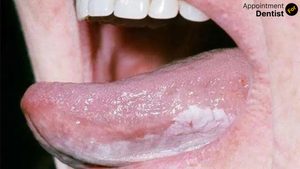
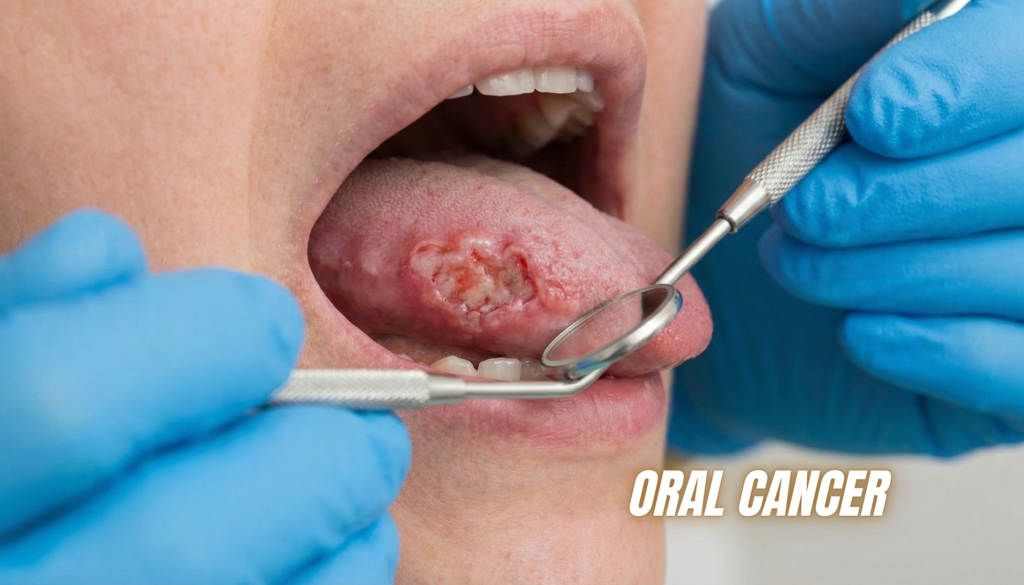
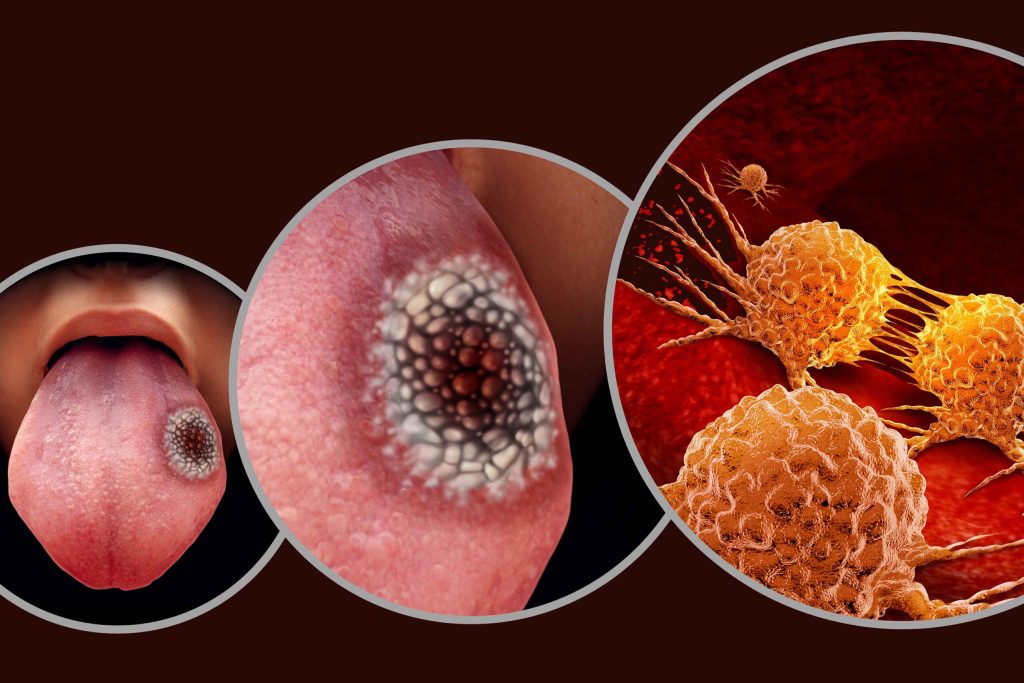
Oral cancer is a broad term for cancers that develop inside the oral cavity. It often begins as a persistent white or red patch, or a sore that bleeds easily and does not heal within two weeks. Left untreated, oral cancer can spread throughout the mouth, throat, and to other areas of the head, neck, and body.
Approximately 63% of people with oral cavity cancer are alive five years after diagnosis — a statistic that improves significantly with early detection.
Oral Cavity vs. Oropharynx: Know the Difference
It is important to distinguish between the oral cavity and the oropharynx, as cancers in these areas are classified and treated differently.
| Oral Cavity (Oral Cancer) | Oropharynx (Oropharyngeal Cancer) |
|---|---|
| Lips | Base of tongue (posterior third) |
| Gums | Tonsils |
| Cheeks (buccal mucosa) | Soft palate |
| First two-thirds of the tongue | Sides and back of the throat |
| Floor of mouth | — |
| Hard palate (bony roof) | — |
| Area behind wisdom teeth | — |
Key takeaway: This article focuses on oral cavity cancer. Cancer in the oropharynx is called oropharyngeal cancer and is often linked to HPV infection.
Who Is Affected by Oral Cancer?
- Overall incidence: roughly 11 people per 100,000 will develop oral cancer in their lifetime.
- Men are more likely than women to develop oral cancer.
- White people have a higher incidence than Black people.
- Age: most cases occur in adults 60 years and older.
Oral Cancer Symptoms and Precancerous Patches
Oral cancer symptoms are frequently mistaken for common dental problems. The critical difference is persistence — precancerous and cancerous changes do not go away on their own.
Precancerous Mucosal Patches
These conditions appear as patches inside the mouth and may precede cancer:
| Condition | Appearance | Cancer Risk |
|---|---|---|
| Leukoplakia | Flat white or gray patches that cannot be scraped off | Moderate; requires monitoring |
| Erythroplakia | Slightly raised or flat red patches; may bleed when scraped | High; often already dysplastic |
| Erythroleukoplakia | Mixed red and white patches | Highest; strongest predictor of malignancy |
Common Signs and Symptoms of Oral Cancer
- Sores on the lip or inside the mouth that bleed easily and do not heal within two weeks
- Rough, crusty, or thickened areas on the lips, gums, or inside the mouth
- Unexplained bleeding in the mouth
- Numbness, pain, or tenderness in the face, neck, or mouth without apparent cause
- Difficulty chewing, swallowing, speaking, or moving the jaw or tongue
- Unintentional weight loss
- Earache (referred pain from oral or throat cancer)
- Chronic bad breath (halitosis)
Red-flag rule: Any oral change lasting more than two weeks warrants immediate professional evaluation.
Causes and Risk Factors
Oral cancer begins when DNA damage in squamous cells causes them to grow and multiply uncontrollably. Over time, these cancerous cells can invade nearby tissues and metastasize to lymph nodes or distant organs.
Activities That Increase Risk
About 75% of oral cancer patients have one or more of the following habits:
- Tobacco use: Cigarettes, cigars, pipes, chewing tobacco, dip, snuff, water pipes (hookah)
- Excessive alcohol consumption: Risk multiplies significantly when combined with tobacco
- HPV infection: Certain strains of human papillomavirus are linked to head and neck cancers
- Chronic sun exposure: Unprotected lips are vulnerable to UV damage (lip cancer)
- Family history of oral cancer
Important: 25% of people who develop oral cancer do not smoke or have other known risk factors. Anyone can develop oral cancer, which is why regular screening matters.
How Is Oral Cancer Diagnosed and Staged?
Diagnosis
Your dentist may spot suspicious changes during a routine checkup. If needed, they will refer you to an oral and maxillofacial surgeon or head and neck (ENT) specialist.
Diagnostic procedures include:
| Test | What It Involves |
|---|---|
| Physical examination | Visual inspection of the entire mouth, face, head, and neck; palpation for lumps or abnormalities |
| Brush biopsy (scrape biopsy) | A small brush or spatula gently collects cells from the suspicious area for lab analysis |
| Incisional biopsy | Surgical removal of a small tissue sample for definitive pathological examination |
| Indirect laryngoscopy / pharyngoscopy | A small mirror on a long handle examines the throat, tongue base, and part of the larynx |
| Direct (flexible) pharyngoscopy / laryngoscopy | A thin, flexible endoscope with a light and lens views hard-to-reach areas |
Staging: The TNM System
Once diagnosed, oral cancer is staged using the TNM system to guide treatment and predict prognosis:
- T (Tumor): Size and extent of the primary tumor
- T1: Tumor ≤ 2 cm
- T2: Tumor > 2 cm but ≤ 4 cm
- T3: Tumor > 4 cm
- T4: Tumor invades nearby structures (bone, skin, sinus, etc.)
- N (Nodes): Whether cancer has spread to nearby lymph nodes
- M (Metastasis): Whether cancer has spread to distant parts of the body
Treatment Options: Surgery, Radiation, and More
Treatment depends on cancer type, stage, location, your overall health, and age. The three main pillars are surgery, radiation therapy, and chemotherapy.
Surgical Treatments
| Procedure | Purpose |
|---|---|
| Primary tumor surgery | Removal of the tumor through the mouth or a neck incision |
| Glossectomy | Partial or total removal of the tongue |
| Mandibulectomy | Removal of part of the jawbone affected by cancer |
| Maxillectomy | Removal of part or all of the hard palate (bony roof of the mouth) |
| Sentinel lymph node biopsy | Determines whether cancer has spread beyond the original site |
| Neck dissection | Removal of lymph nodes from the neck |
| Reconstructive surgery | Uses healthy bone, tissue, or skin from other body parts to rebuild the mouth, jaw, lips, or tongue after tumor removal |
Additional Treatments
- Radiation therapy: High-energy beams kill cancer cells; often combined with surgery or chemotherapy
- Targeted therapy: Drugs (e.g., monoclonal antibodies) that precisely attack cancer cells while sparing healthy tissue
- Chemotherapy: Anti-cancer drugs that kill rapidly dividing cells throughout the body
- Immunotherapy: Engages the body’s immune system to fight cancer (also called biological therapy)
Note: Approximately one in three people treated for oral cancer develop a new, second primary cancer. Lifelong follow-up is essential.
Living With and After Treatment
Recovery varies widely depending on the extent of treatment:
- Early-stage disease: May be treated successfully with a single surgery or radiation course; daily function often returns to near normal.
- Advanced disease: May require extensive surgery, reconstruction, and combined therapies; speech, swallowing, and appearance may be affected and require rehabilitation.
- Regular follow-up: All patients need ongoing monitoring with their healthcare provider and dentist to detect recurrence or new cancers early.
When to Contact Your Provider
Contact your provider immediately if you notice:
- New persistent sores or rough spots that do not resolve after two weeks
- Any unexplained bleeding, numbness, or pain in the mouth or face
- Difficulty swallowing or moving the jaw or tongue
Questions to Ask Your Provider
- What is the difference between precancerous changes and oral cancer?
- Is my condition likely temporary or chronic?
- What may have caused my cancer?
- What tests will I need, and what do they involve?
- What is the best course of action?
- What are the alternatives to your primary recommendation?
- If I need surgery, will I need reconstructive surgery?
- Should I see a specialist? What will it cost, and will my insurance cover it?
- What can I do to ease my symptoms?
- What lifestyle changes can I make to support treatment and recovery?
Prevention and Monthly Self-Examination
Oral cancer is largely preventable. You can take an active role:
- Quit or reduce tobacco in all forms — cigarettes, cigars, pipes, chewing tobacco, hookah. Ask your doctor about cessation programs.
- Drink alcohol in moderation, or avoid it entirely.
- Protect your lips with UV-AB-blocking sunscreen or lip balm with SPF.
- Get the HPV vaccine — it protects against cancer-causing strains.
- Eat a well-balanced diet rich in fruits and vegetables.
- Get regular dental check-ups:
- Ages 20–40: oral cancer screening every three years
- Age 40+: annual oral cancer screening
Monthly Self-Examination (5 Minutes with a Mirror and Light)
Early detection saves lives. Perform this check once a month:
- Feel your lips, front gums, and roof of your mouth.
- Feel your neck and under your lower jaw for lumps or enlarged lymph nodes.
- Look inside your mouth with a bright light and mirror.
- Tilt your head back to inspect the roof of your mouth.
- Pull your cheeks out to view the inside lining, cheeks, and back gums.
- Stick out your tongue — examine the top, bottom, and sides. Gently push your tongue back to view the floor of your mouth.
If you spot anything unusual that does not go away within two weeks, contact your dentist immediately.
A Note from Cleveland Clinic
Oral cancer is a serious illness that, if caught early, can be treated successfully. That’s why it’s important to see your dentist twice a year and make time for a monthly self-examination. There are ways to prevent oral cancer, and one of the most important is to avoid using tobacco products. A cancer diagnosis can be scary. Know you don’t have to go it alone — talk to your healthcare providers about resources to help you and your loved ones.
FAQ Section
What does early-stage oral cancer look like?
Early oral cancer often appears as a persistent white or red patch, a sore that bleeds easily, or a lump that does not heal within two weeks. It may be painless, which is why regular dental screenings are critical.
Is leukoplakia the same as oral cancer?
No. Leukoplakia is a precancerous condition — white patches that cannot be scraped off. Not all leukoplakia becomes cancer, but it requires monitoring because the risk of malignant transformation exists.
Can young people get oral cancer?
Yes, although it is more common in people over 60. Risk factors such as HPV infection, tobacco use, and excessive alcohol consumption can lead to oral cancer at younger ages.
How is oral cancer different from oropharyngeal cancer?
Oral cancer occurs in the oral cavity (lips, front two-thirds of tongue, gums, cheeks, floor of mouth, hard palate). Oropharyngeal cancer occurs in the oropharynx (base of tongue, tonsils, soft palate, back of throat). HPV is more strongly linked to oropharyngeal cancer.
What is the survival rate for oral cancer?
Approximately 63% of people with oral cavity cancer are alive five years after diagnosis. Survival rates improve significantly when cancer is detected and treated at an early stage.
Adapted from Cleveland Clinic. Oral Cancer. my.clevelandclinic.org
Written by Sarah Chen, Medical Content Editor
Medically reviewed by Dr. James Park, DDS, MSD — Last reviewed: November 2026
References
- Cleveland Clinic. Oral Cancer. https://my.clevelandclinic.org/health/diseases/oral-cancer
- American Cancer Society. Oral Cavity and Oropharyngeal Cancer. 2026.
- National Comprehensive Cancer Network (NCCN). Head and Neck Cancers Guidelines. Version 2.2026.
Attending Dentist
Reviews dental and oral health content for clinical accuracy and evidence quality.
View reviewer profile →