Oral Cancer: More Than Just Sores in Your Mouth

Thinking about cancer often brings to mind things like breast or lung cancer. But did you know that oral cancer – affecting your mouth, tongue, cheeks, and lips – is also a significant global health concern? It ranks highly among all cancers worldwide, with the vast majority being oral squamous cell carcinoma. These subtypes break down further depending on where in the mouth the cancer starts: think tongue cancer, gum (gingival) cancer, or cancer of the inner cheek (buccal mucosa).
You might brush it off if you suddenly get a persistent sore spot inside your mouth or notice an unusual white patch. But here’s the thing: while these are common annoyances for many, they can sometimes be more serious – potentially early signs of oral cancer or even precancerous changes to the tissues.
This guide aims to shed light on what could go wrong in your mouth by outlining key risk factors, explaining the warning signs you should never ignore, and highlighting crucial prevention strategies. Because knowing these things is the first step towards taking better care and catching any issues early.
Key Risk Factors for Oral Cancer
Let’s start with understanding who might be at higher risk:
- Tobacco Use: This includes smoking cigarettes or cigars, chewing tobacco (including snuff pouches), and dipping snus – whether you smoke it or chew it.
- Heavy Alcohol Consumption: Drinking large amounts of alcohol regularly is a major risk factor on its own.
But here’s something important: these habits often go hand-in-hand. If you use both tobacco and heavy alcohol, your chances of developing oral cancer are dramatically increased compared to just one or the other. This combination packs a serious punch for mouth health.
- Environmental & Physical Irritants: Think about intense sun exposure on your lips if you spend long periods outdoors without protection – that’s linked to lip cancer.
- HPV Infection (specifically HPV-16): A connection is growing clearer between certain strains of the human papillomavirus, especially type 16, and developing cancers in specific areas like the back of the tongue or tonsils.
Unfortunately, some people brush these off too – ill-fitting dentures that haven’t been looked after properly can cause constant irritation to your gums and inner cheeks. Similarly, jagged teeth edges or leftover dental work left untreated over time can be culprits. And poor oral hygiene? That’s not just about bad breath; consistently allowing bacteria and fungi to build up creates a chronic inflammatory environment in the mouth.
So, the three biggest lifestyle risk factors are tobacco use (any form), heavy drinking, and chewing betel nuts or similar preparations. In China, tongue cancer, inner cheek/cheek mucosa cancer, and gum cancer are quite common subtypes. Quitting smoking, limiting alcohol intake significantly, and stopping all forms of betel nut consumption should be high priorities for anyone concerned about oral health.
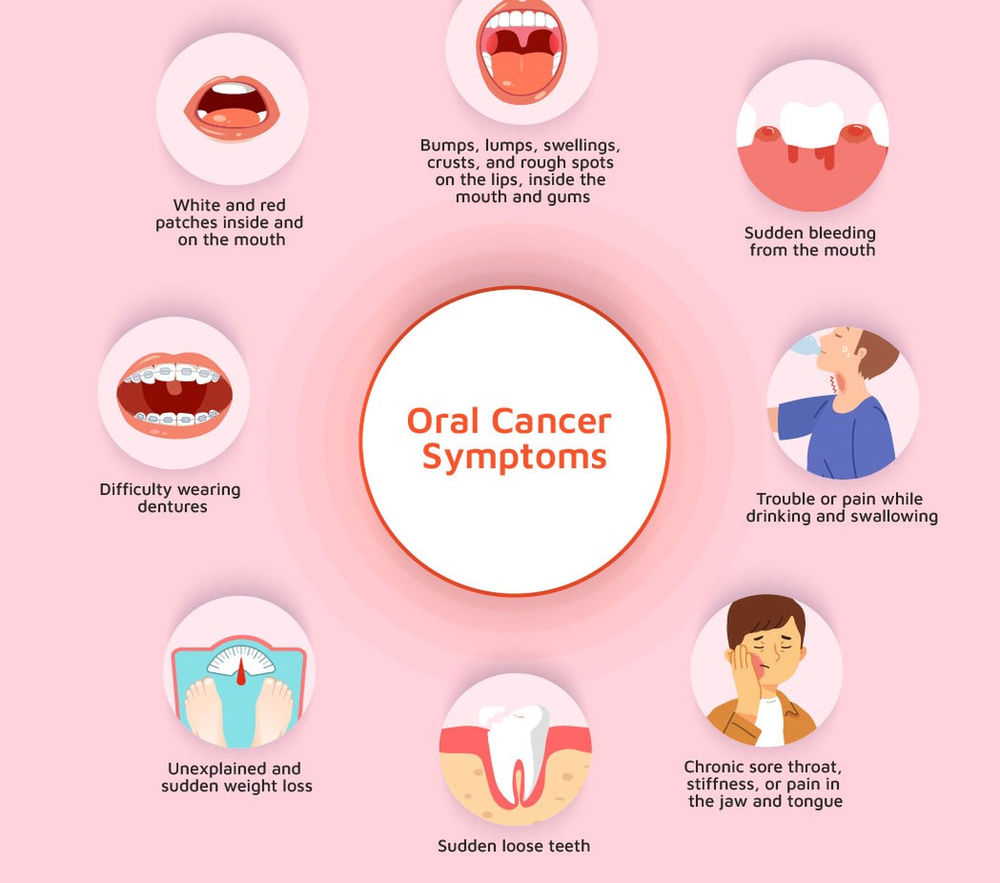
Spotting Potential Warning Signs
Oral cancers don’t usually just appear overnight; they often develop through stages. That’s why being aware of the signs is crucial – especially if you have known risk factors or are regularly exposed to irritants like tobacco, alcohol, or sun (e.g., from ill-fitting dentures). Catching it early makes a huge difference in treatment success and quality of life.
Pay attention to these five potential red flags:
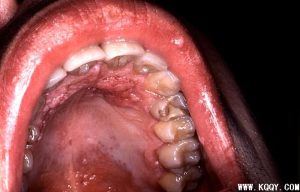
- Persistent Mouth Ulcers: If you get mouth sores that just won’t go away – lasting longer than two weeks, feeling unusually firm, or having raised edges around them – don’t wait. It’s usually nothing serious, but it could be something more concerning.
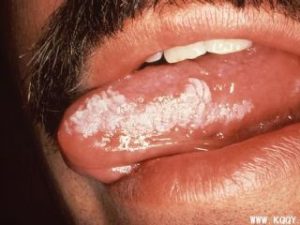
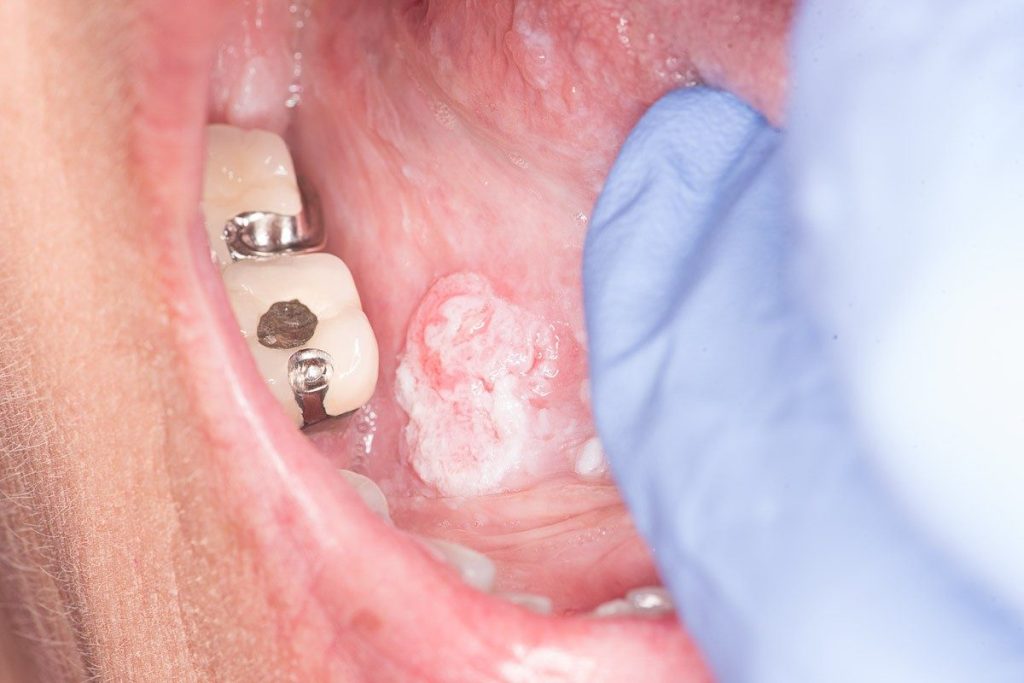
- Red or White Patches (Erythroplakia & Leukoplakia): Keep an eye out for any unusual red patches (erythroplakia) or white areas (leukoplakia). These aren’t just harmless scrapes; they can potentially be precancerous. Erythroplakia is particularly concerning as it has a higher chance of turning into cancer than leukoplakia.
- Unexplained Swelling or Lumps: Any new lump in your mouth, jaw, neck, or even unexplained swelling there could signal the presence of cancer locally or indicate its spread elsewhere. Hard and immobile lumps are definitely worth investigating urgently.
- Spontaneous Bleeding: If you notice bleeding from your gums without having brushed, flossed, or done anything obviously irritating to them, it’s something that should be checked out by a professional as soon as possible. This can sometimes be an early sign of gum cancer.
- Numbness or Pain That Doesn’t Go Away: Any persistent numbness (especially in your tongue), unexplained pain, tingling, or changes in sensation anywhere in your mouth – face, tongue, lips, throat, neck – should prompt a check-up. These symptoms can indicate that something is affecting nearby nerves.
Important note: Having one of these signs isn’t an automatic diagnosis of cancer. However, if any single symptom persists for more than two weeks, or you notice multiple issues happening together, it’s vital to see a doctor or dentist immediately. Don’t try to self-diagnose; prompt clinical evaluation is key.
Treatment Approaches
Oral cancer treatment varies greatly depending on several factors: how advanced the stage is (this often involves looking at nearby lymph nodes), where exactly the tumor is located within your mouth, and whether it has spread significantly. It’s usually a complex, individualized treatment plan involving multiple specialists – an approach called multidisciplinary management.
- Early-Stage Cancer: For these cases, surgery to remove the cancerous tissue (plus potentially nearby lymph nodes via neck dissection) is often the primary treatment.
- Locally Advanced/Late Stage Cancer: Treatment becomes more involved. It might start with neoadjuvant chemotherapy or radiation to shrink the tumor before major surgery. Radical surgical removal followed by targeted radiotherapy is common for late stages.
Because your mouth and surrounding areas are essential for eating, speaking, and breathing, reconstruction after significant tissue loss (like major surgery) is often necessary – using techniques like flap transplantation.
The goal of treatment isn’t just survival; it’s about balancing effectiveness with preserving as much function and appearance as possible. Treatment plans frequently combine different therapies to achieve this.
Taking Proactive Steps for Prevention
While you can’t always control your environment or genetics, a lot of the biggest risk factors are lifestyle choices that can be changed. Here’s how you can significantly lower your oral cancer risk:
- Quit Tobacco Use: Smoking cessation is paramount if you use any form of tobacco (cigarettes, cigars, chewing tobacco). This single step offers one of the most substantial reductions in risk.
- Moderate Alcohol Intake: Limiting how much alcohol you consume regularly can also play a big role in prevention.
- Stop Chewing Areca Nut/Betel Quids: If you chew areca nuts or use betel quid (a type of tobacco preparation often mixed with slaked lime), stopping is crucial – it’s directly linked to cancer development, especially in the cheek pouches and lips.
Beyond these major changes:
- Avoid Scalding Hot Foods & Drinks: Let food like hot pot broth or soups cool down sufficiently before eating or drinking. Repeated thermal injury adds up over time.
- Address Dental Issues Promptly:
- Get sharp edges on your teeth fixed quickly by a dentist.
- Repair broken teeth promptly to prevent chronic irritation and infection.
- If you have dentures, ensure they fit properly and are well-maintained – don’t ignore any discomfort or friction.
- Protect Your Lips from the Sun: Especially if you work outside. Use lip balm with SPF and wear a hat for shade – prolonged sun exposure can damage lips.
- Be Mindful of Environmental Toxins: Try to limit contact with known industrial carcinogens whenever possible, whether at work or in your home environment.
The Takeaway Message
In China, the most common subtypes are tongue, inner/outer cheek (buccal mucosa), and gum cancer.
Tobacco use (any form), heavy alcohol consumption, and betel nut chewing/staining are major lifestyle risk factors for oral cancer.
Persistent mouth ulcers lasting over two weeks, red/orange patches in the mouth (like leukoplakia or erythroplakia), unexplained swelling/lymph node enlargement, spontaneous bleeding from lips/gums, and persistent numbness/pain can be warning signs.
Chronic irritation from ill-fitting dentures or sharp teeth should not be ignored; dental correction is necessary.
Regular oral screenings by your dentist (if you have risk factors) are vital for early detection.
About the Author
This article was originally adapted from content published by Science Popularization China on March 30, 2025.
Disclaimer This information is provided for general educational purposes only and may not apply to any individual or situation. It does not constitute medical advice. Always consult a healthcare professional (dentist or doctor) if you have specific concerns regarding oral health or potential symptoms – they can provide appropriate guidance based on your personal circumstances.
Further Reading & References
For more detailed information, you might find resources like those from the American Cancer Society or guidelines from bodies like NCCN helpful. This text incorporates general principles derived from reputable sources including Science Popularization China and standard medical knowledge regarding oral potentially malignant conditions (like Warnakulasuriya et al’s work on leukoplakia).
Frequently Asked Questions
- FAQ: Can a long-lasting mouth ulcer turn into cancer?
- While most recurring mouth ulcers are not serious, an ulcer that persists beyond two weeks without healing properly – especially if it has raised edges or feels unusually firm – should be evaluated by a doctor. They can assess the risk and rule out any malignancy.
- FAQ: Does oral leukoplakia always become cancerous?
- No! Oral leukoplakia is considered a potentially malignant disorder, meaning not every case will turn into cancer. However, it indicates abnormal cell growth that requires monitoring. Risk factors include the presence of red patches within a white area (which might be erythroplakia), pain associated with the lesion, or ulceration occurring inside the leukoplakia.
- FAQ: Who is considered high-risk for oral cancer?
- High risk includes heavy smokers/cigarettistas, people who drink alcohol heavily, those who chew tobacco products (including snuff and betel quid/stamen), individuals with HPV infection. Other factors include chronic irritation from ill-fitting dentures or sharp teeth, long-term sun exposure to the lips, and a family history of head and neck cancers.
- FAQ: Can a general dentist screen for oral cancer?
- Yes! General dentists are trained in visual and physical examinations during routine check-ups as part of their standard screening procedures. If they find anything suspicious – like an ulcer or patch that doesn’t look right – they will refer you to an appropriate specialist (like an oral surgeon) for further investigation, which may include a biopsy.
- FAQ: Why does chewing betel nut increase oral cancer risk?
- Betel quid (which includes the areca nut and often tobacco or slaked lime) contains chemicals that are directly toxic to cells lining your mouth. The act of chewing itself creates chronic irritation, inflammation, DNA damage, and other cellular stresses – all contributing factors that significantly raise the long-term risk for oral cancer development.
Remember: Knowledge is power. Stay informed about these risks and signs, but don’t forget to consult professionals for any health concerns you might have.
Attending Dentist
Reviews dental and oral health content for clinical accuracy and evidence quality.
View reviewer profile →